TR Encyclopedia – Conservation
The Antiquities Act of 1906
The Act for the Preservation of American Antiquities (often called the Antiquities Act) was deemed necessary after two decades of looting, desecration, and destruction of Native American sites in the Southwest such as Chaco Canyon and Cliff Palace. The bill was the result of several years’ work by, among others, Representative John F. Lacey and Senator Jonathan P. Dolliver of Iowa (the latter a friend of Theodore Roosevelt) and Representative John F. Shafroth and Senator Thomas M. Patterson of Colorado. On June 8, 1906, President Theodore Roosevelt signed the bill, which had been finally sponsored by Patterson in the Senate and Lacey in the House. The Act for the Preservation of American Antiquities was an intentionally broad piece of legislation to set aside “historic landmarks, historic and prehistoric structures, and other objects of historic or scientific interest” in order to stop their destruction. As it was worded, the Act gave the President authority to preserve a wide variety of sites by establishing them as national monuments. Roosevelt quickly took advantage of the authority given him.
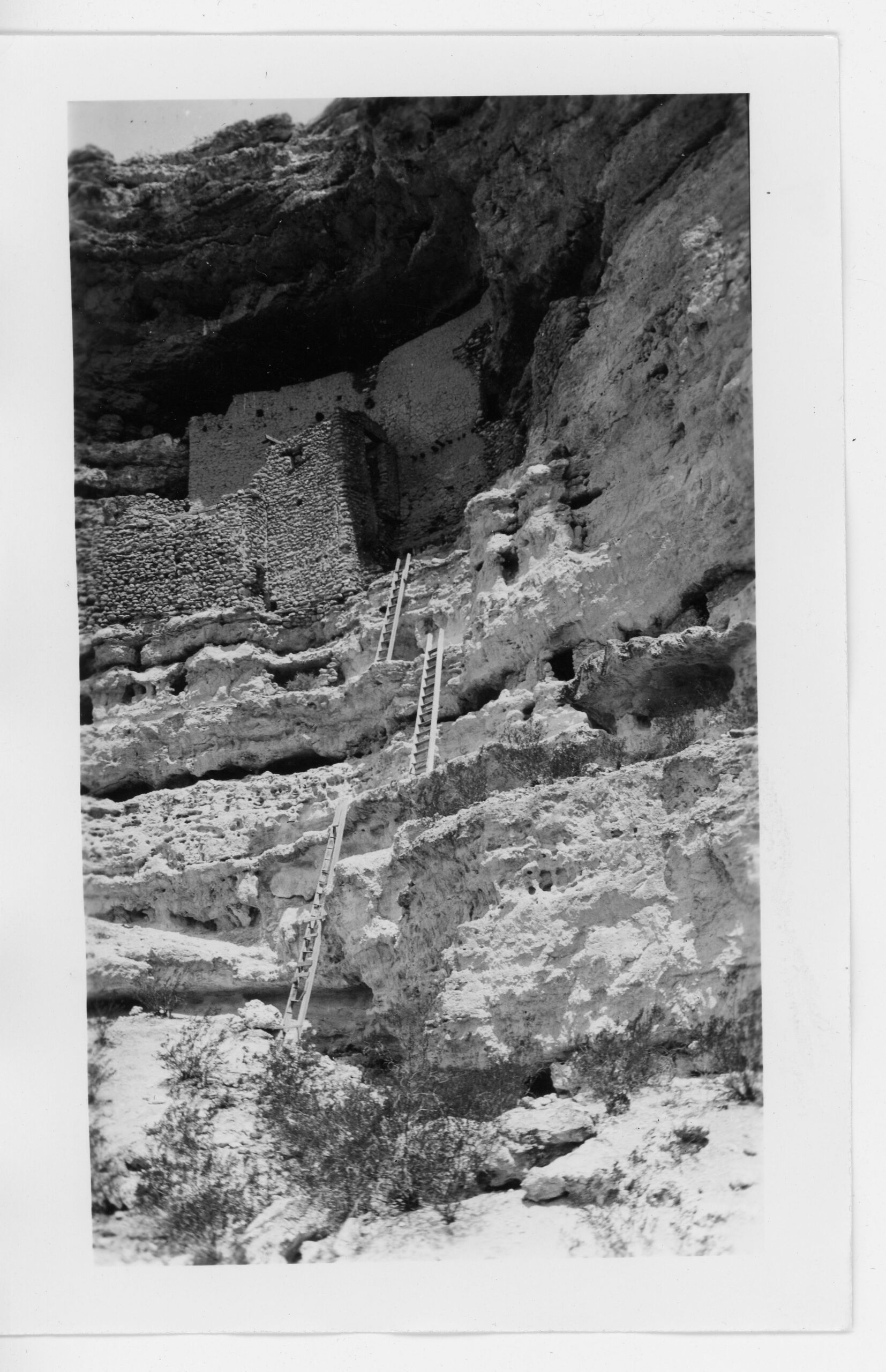
He began on September 24, 1906, by proclaiming Devils Tower in Wyoming the first national monument under the Antiquities Act. President Roosevelt followed that quickly with the Petrified Forest and Montezuma Castle in Arizona and El Morro in New Mexico. In all, Roosevelt issued executive proclamations for the following:
- Devils Tower, Wyoming, September 24, 1906
- El Morro, New Mexico, December 8, 1906
- Montezuma Castle, Arizona, December 8, 1906
- Petrified Forest, Arizona, December 8, 1906
- Lassen Peak, California, May 6, 1907
- Cinder Cone, California, May 6, 1907
- Chaco Canyon, New Mexico, March 11, 1907
- Gila Cliff Dwellings, New Mexico, November 16, 1907
- Tonto National Monument, Arizona, December 19, 1907
- Muir Woods, California, January 9, 1908
- Grand Canyon, Arizona, January 11, 1908 (made a national park by President Woodrow Wilson in 1917)
- Pinnacles, California, January 16, 1908
- Jewel Cave, South Dakota, February 7, 1908
- Natural Bridges, Utah, April 16, 1908
- Lewis & Clark Caverns, Montana, May 11, 1908
- Tumacacori National Monument, Arizona, September 15, 1908 (now a National Historic Park)
- Wheeler, Colorado, December 7, 1908
- Mount Olympus, Washington, March 2, 1909