Collections
Notes from The National Park Vagabond – Mount Olympus National Monument (Olympic National Park)
In her latest blog, our National Parks Vagabond Valerie Naylor outlines the history of Olympic National Park in Washington, beginning in 1897 under President Grover Cleveland. This was originally posted to the TR Center blog in January 2024.

If you ask someone when Olympic National Park in Washington state was born, they will likely tell you it was established by Franklin D. Roosevelt in 1938.
On June 29, 1938, President Franklin D. Roosevelt signed Olympic National Park (634,000 acres) into existence. Just 12 days earlier, Congress had passed a bill introduced by Congressman Wallgren of Washington to establish the park – giving FDR additional authority to expand it after 8 months if the Governor of Washington and the Secretaries of Agriculture and Interior approved.
The beginning of the story was more than 40 years earlier in 1897 when President Grover Cleveland created the Olympic Forest Reserve. In 1900, President William McKinley eliminated part of the forest reserve and in 1901, he both added and eliminated portions.
Not surprisingly, President Theodore Roosevelt enlarged the reserve as Olympic National Forest on March 2, 1907. And on that same date in 1909, he proclaimed Mount Olympus National Monument just two days before he left office. The national monument, 610,560 acres within the national forest, was managed by the U.S. Forest Service.

President William Howard Taft, reduced the size of the monument slightly. When President Woodrow Wilson was in charge, he reduced the size of the monument by nearly half, eliminating large tracts of marketable forest. President Calvin Coolidge eliminated part of the national forest and reduced the size of the monument even further.
During these tumultuous years, many people were concerned about the fate of Mt. Olympus National Monument. Then, as today, there were those who wanted to preserve something special for the future, and those who wanted to utilize it for short term gain. Local residents were among both groups. The old-growth forests of the Olympic peninsula were spectacular, yet many wanted to harvest as much wood as possible. A group called the “Emergency Conservation Committee” of New York, circulated pamphlets calling for further protection of the area. They said, “As established by President Theodore Roosevelt in 1907, it would have made a splendid National Park in itself. It has been trimmed down in order to eliminate the magnificent primeval forest which was its most unique and one of its grandest features, to open up the area to lumbering.”
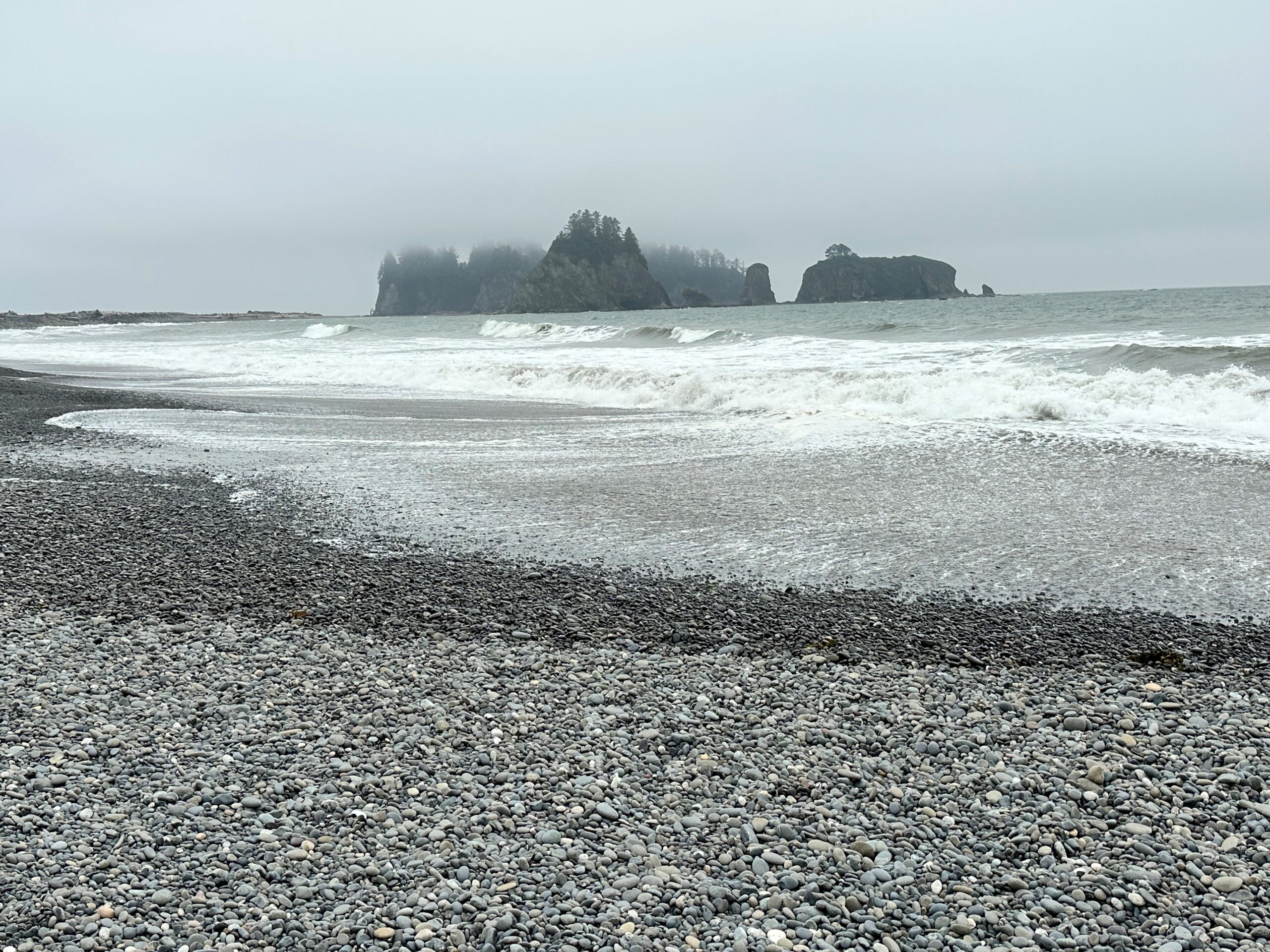
In 1933 Franklin D. Roosevelt took office and change was in the air. He transferred management of the national monuments to the National Park Service. He visited the Olympic peninsula in 1937. He had a vision, wanting to provide for people who lived in the area, as well as for those who would visit the area 50 years in the future. In a statement from his home in Hyde Park the day Olympic National Park was created, FDR took pleasure in noting that it was a development from the establishment of Mt. Olympus National Monument by Theodore Roosevelt. After signing the park into existence, he did what Congress allowed him to do – added 187,411 more acres of forest into the park the next year and additional acres in 1943. President Truman followed suit, adding more of the national forest to the park in 1953. Today, the diverse park encompasses 922,651 acres of old-growth forest, temperate rain forest, mountain peaks, and 70 miles of coastline. It preserves thousands of years of human history. It also protects the home of the Olympic Elk, now called the Roosevelt Elk. In 1988, 876,447 acres were set aside as designated Wilderness.
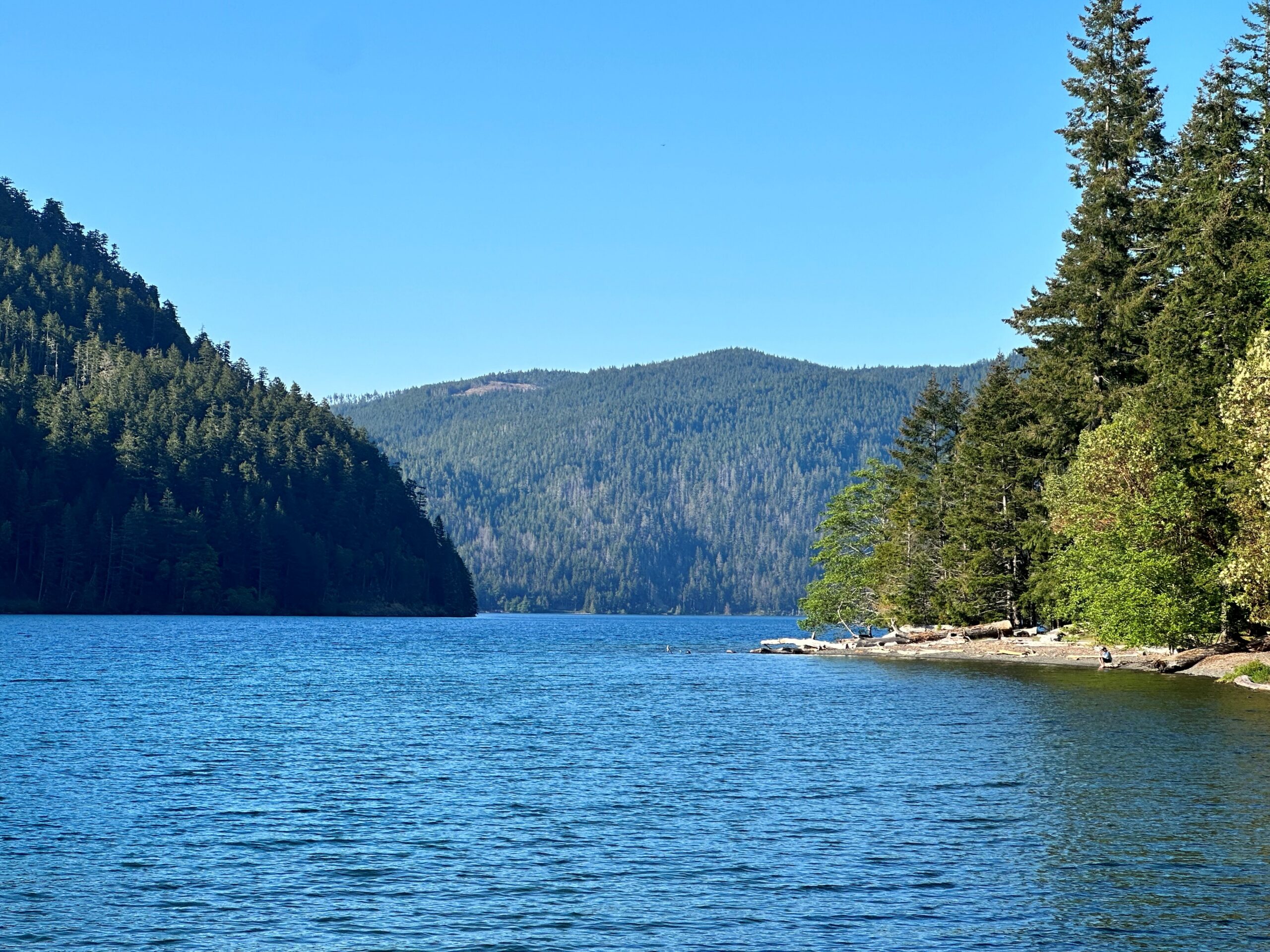
I visited Olympic National Park last May for the TR Center, my second visit to the park. The National Park Service has a lot of well-organized archives, but none are catalogued under “Theodore Roosevelt.” Items of interest to the TR Center are scattered under many other subjects. Archeologist and Curator Matthew Dubeau was very helpful and let me have space to search through many boxes of files. Some of the photos from early day climbers of Mt. Olympus, shortly after TR established the monument, were especially fascinating.
It took a lot of local support, national promoters, Congress, and two Presidents Roosevelt to create and preserve one of the largest and most diverse national parks in the country. There is something for everyone at Olympic, and its proclamation and establishment were gifts to the future and the nation.